Join us today by completing the form below to enjoy the endless benefits of TesenFulfill. Click on submit after filling the form, and we would get back to you with all the information you need.
Should your Shopify brand fulfill orders directly from China or move inventory into an overseas warehouse? For growing ecommerce businesses, this is rarely a simple choice between two warehouse locations. A brand selling a predictable bestseller in the United States has different fulfillment requirements from a brand testing 20 products across the US, UK, Europe, and Australia. The first may benef...
Dropshipping is often an effective way to start an ecommerce business. A Shopify store can test products without purchasing large quantities of inventory in advance. When a customer places an order, the product can be purchased or processed through a supplier and shipped to the customer. This reduces one of the biggest risks of starting an ecommerce store: committing capital to products before kno...
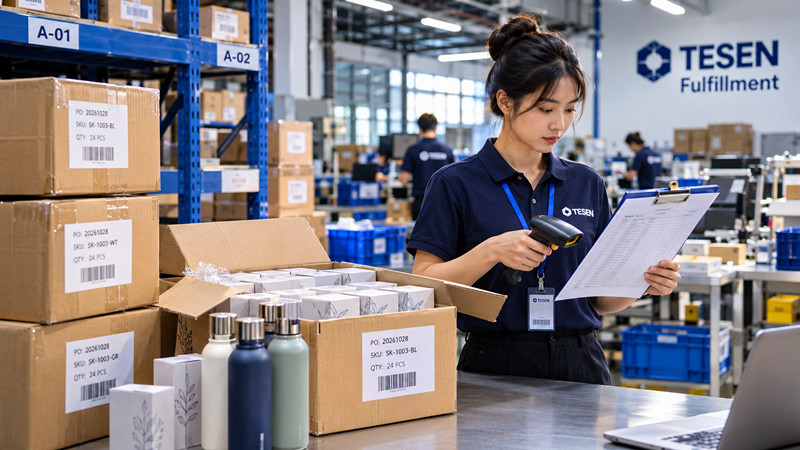
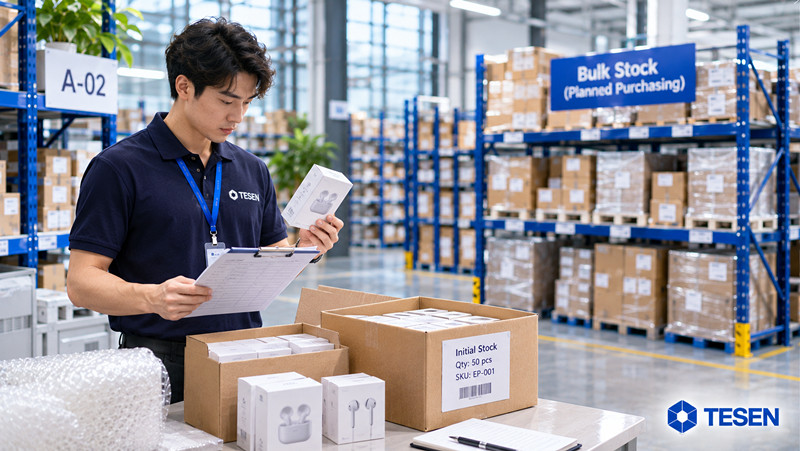
A supplier delivers 20 cartons to an ecommerce fulfillment warehouse. The delivery is signed for, and the supplier confirms that the goods have arrived. From the brand's perspective, the inventory may appear ready for customer orders. But the warehouse still needs to establish what actually arrived. Did all 20 cartons contain the expected products? Were the correct SKUs and variants delivered? Do ...
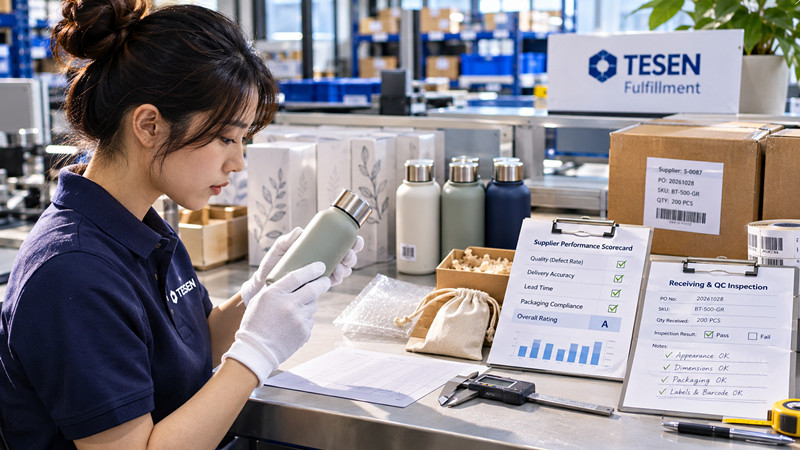
A supplier offers a competitive product price. The samples look good, production is confirmed, and the first purchase order appears straightforward. But after an ecommerce brand begins placing repeat orders, a different picture may emerge. One production batch arrives late. Another shipment contains fewer units than expected. A third has incorrect SKU labels. The products in the next delivery pass...
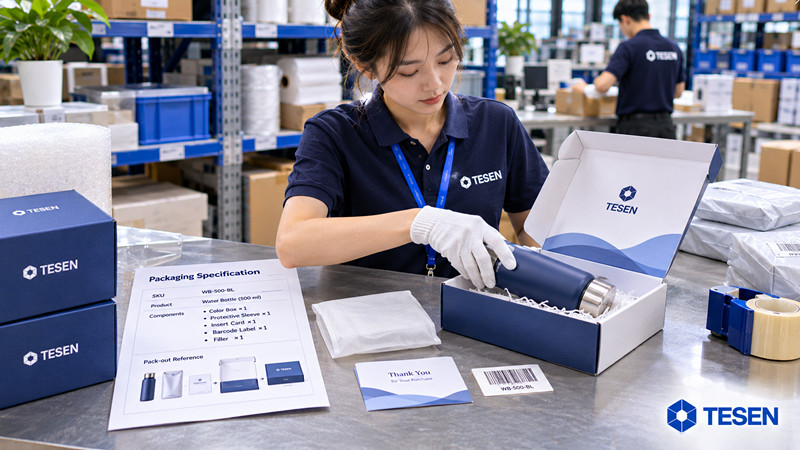
Custom packaging can make an ecommerce brand more recognizable. A branded box, product pouch, printed insert, or carefully assembled gift set can create a more consistent customer experience. But designing attractive packaging is only the beginning. Once packaging materials reach a fulfillment warehouse, the operational questions become more specific. Which SKUs should use each box? How many inser...
Expanding an ecommerce brand into international markets creates opportunities, but it also introduces a difficult inventory decision. A Shopify brand selling successfully in the United States may begin receiving orders from the United Kingdom, Germany, France, and Australia. The immediate question is often how to ship orders to those countries. But a more important operational question may come fi...
A dropshipping product starts generating consistent sales. At first, the store purchases each unit from its supplier after a customer places an order. The model is flexible, and the brand does not need to commit much capital to inventory. Then order volume begins to grow. Five orders per day become ten. Ten become twenty. The supplier continues processing individual purchases, while the brand begi...
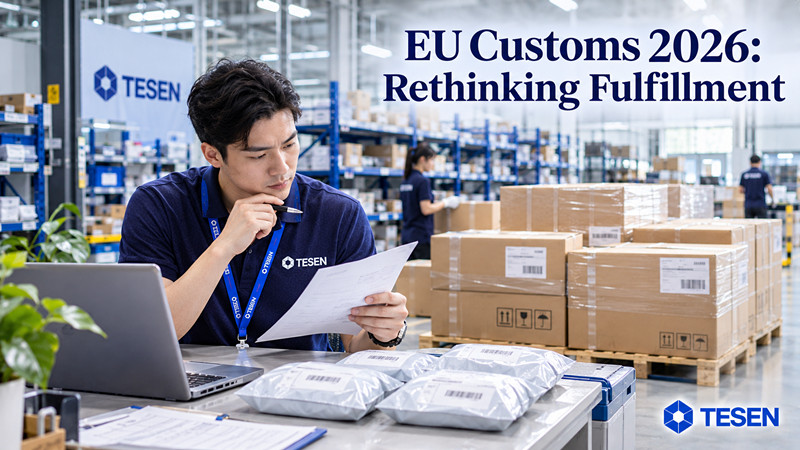
For Shopify and DTC brands shipping products from China to customers in the European Union, 2026 has changed the economics of cross-border ecommerce fulfillment. A temporary €3 customs duty on qualifying low-value imports took effect on July 1, 2026. A separate €2 Union Handling Fee followed on November 1, 2026, alongside additional product-identification requirements. For brands selling lower-pri...

 IPv6 network supported