Join us today by completing the form below to enjoy the endless benefits of TesenFulfill. Click on submit after filling the form, and we would get back to you with all the information you need.
When ecommerce brands experience fulfillment delays, the warehouse is often blamed first. Orders ship late. Inventory runs out unexpectedly. Customers begin asking where their packages are. However, in many cases, the real problem started much earlier. It started with supplier communication. At TESEN, we've found that supplier communication is one of the most underestimated factors influenc...
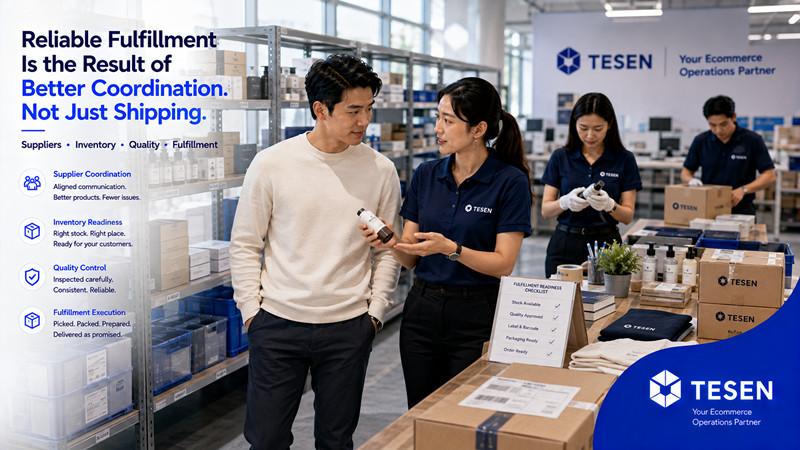
When ecommerce brands want to improve fulfillment, shipping speed is often the first thing they examine. Can we use a faster shipping line? Can we reduce delivery time by two days? Should we move inventory closer to customers? These questions matter. But shipping is only one part of fulfillment performance. At TESEN, we've found that many fulfillment problems are actually determined long before an...
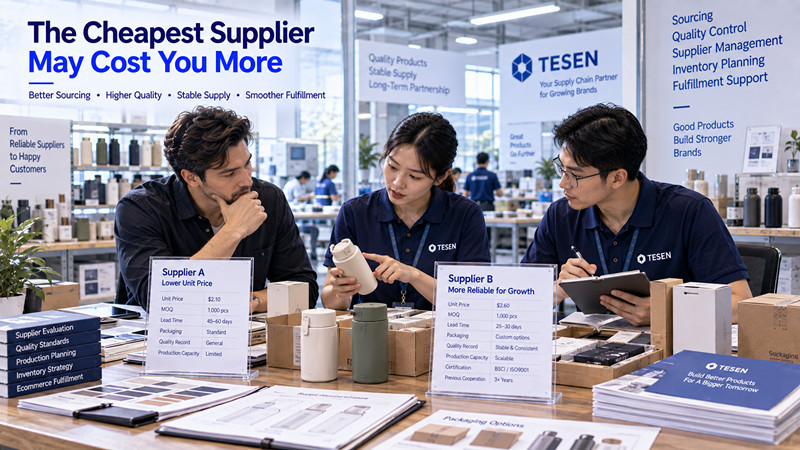
When ecommerce brands compare suppliers, one number usually gets the most attention: Unit price. Supplier A offers a product for $8.20. Supplier B offers it for $7.60. Supplier C offers it for $7.10. At first glance, the decision seems obvious. But the lowest unit price does not always create the lowest business cost. A supplier that looks cheaper on a quotation can become significantly more expen...
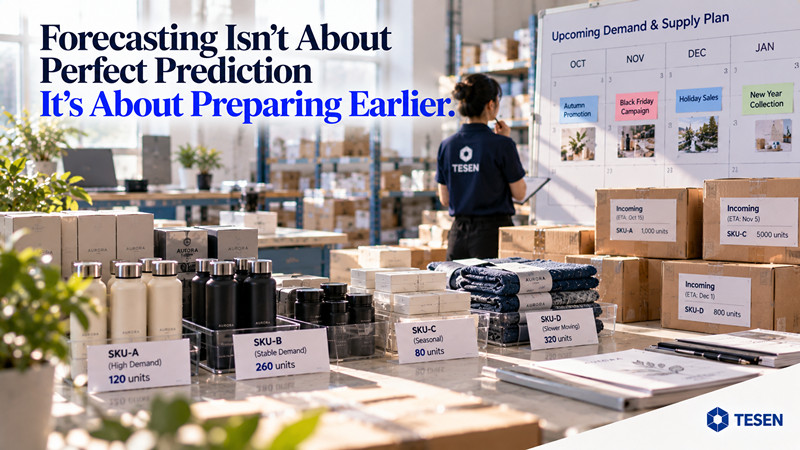
Inventory forecasting is often misunderstood. Many ecommerce brands think forecasting means trying to predict exactly how many units they will sell next week, next month, or next quarter. In practice, ecommerce demand rarely behaves that predictably. Advertising campaigns can accelerate sales. Influencer exposure can create sudden demand. Seasonality affects different products differently. Supplie...
Dropshipping is often an effective way to start an ecommerce business. A Shopify store can test products without purchasing large quantities of inventory in advance. When a customer places an order, the product can be purchased or processed through a supplier and shipped to the customer. This reduces one of the biggest risks of starting an ecommerce store: committing capital to products before kno...
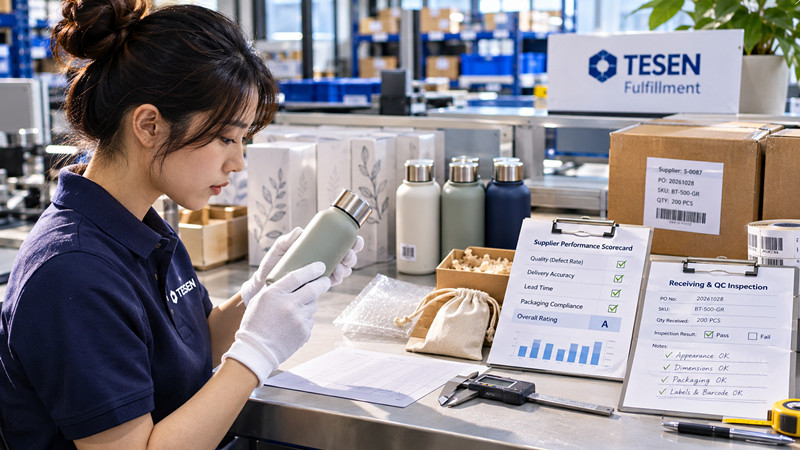
A supplier offers a competitive product price. The samples look good, production is confirmed, and the first purchase order appears straightforward. But after an ecommerce brand begins placing repeat orders, a different picture may emerge. One production batch arrives late. Another shipment contains fewer units than expected. A third has incorrect SKU labels. The products in the next delivery pass...


 IPv6 network supported