Join us today by completing the form below to enjoy the endless benefits of TesenFulfill. Click on submit after filling the form, and we would get back to you with all the information you need.
Kitting is often described as a packaging service. Take several products, put them together, add a branded box or insert, and ship them as a set. That description is not wrong. But it misses one of the most important operational effects of kitting. When a Shopify brand combines separate products into a pre-built kit, the fulfillment operation may also change how inventory is tracked, alloca...
Choosing a third-party logistics (3PL) provider in China can seem straightforward. You need a warehouse to receive products, store inventory, pick and pack orders, and ship parcels to customers. So you request quotations from several China 3PL companies and compare storage fees, handling charges, and international shipping rates. But for a Shopify or DTC brand sourcing products from Chinese suppli...
Dropshipping is often an effective way to start an ecommerce business. A Shopify store can test products without purchasing large quantities of inventory in advance. When a customer places an order, the product can be purchased or processed through a supplier and shipped to the customer. This reduces one of the biggest risks of starting an ecommerce store: committing capital to products before kno...
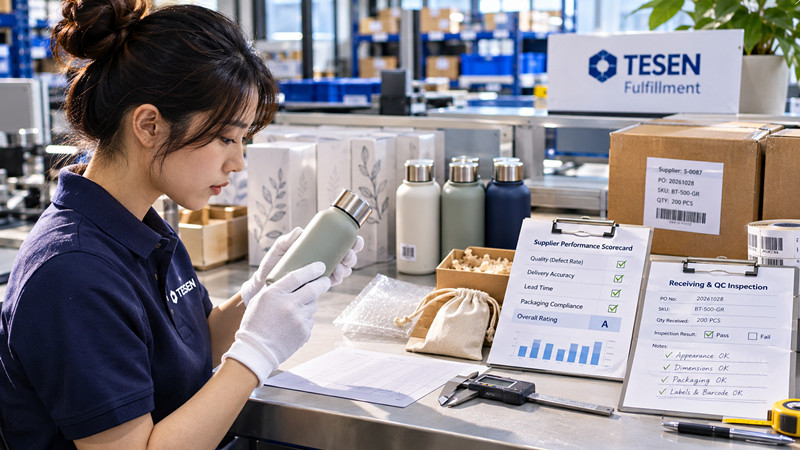
A supplier offers a competitive product price. The samples look good, production is confirmed, and the first purchase order appears straightforward. But after an ecommerce brand begins placing repeat orders, a different picture may emerge. One production batch arrives late. Another shipment contains fewer units than expected. A third has incorrect SKU labels. The products in the next delivery pass...
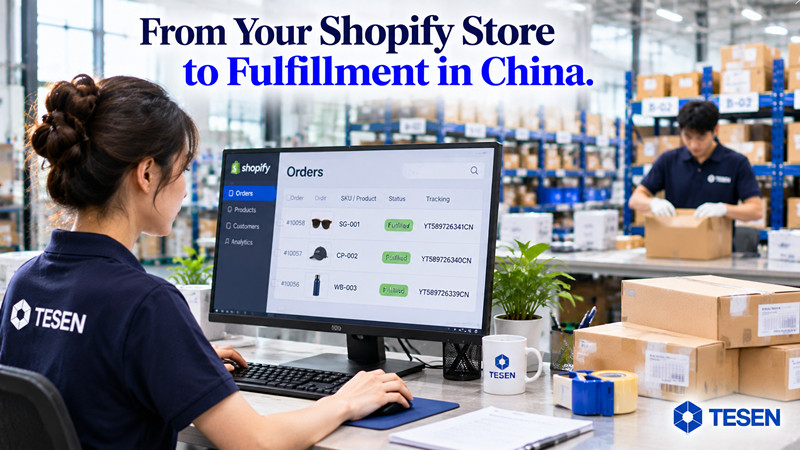
Connecting a Shopify store to an ecommerce fulfillment partner sounds straightforward. Install an app. Authorize the connection. Import customer orders. Start shipping. But successful Shopify fulfillment integration involves much more than transferring orders from one system to another. As ecommerce brands grow, their Shopify stores and fulfillment operations continuously generate new information....
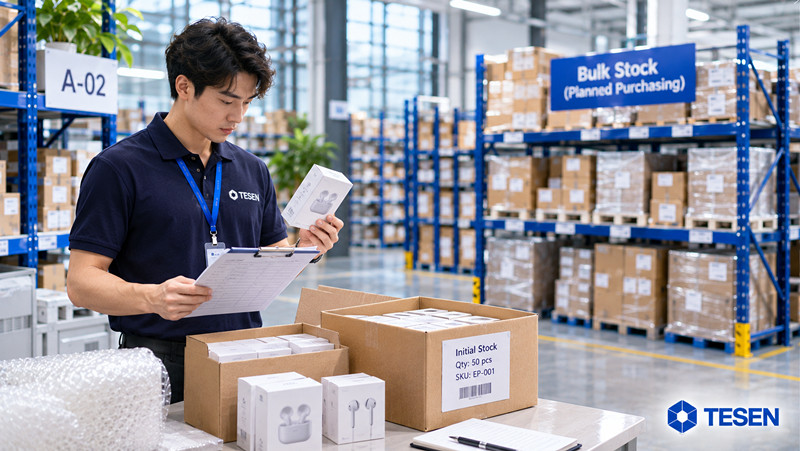
A dropshipping product starts generating consistent sales. At first, the store purchases each unit from its supplier after a customer places an order. The model is flexible, and the brand does not need to commit much capital to inventory. Then order volume begins to grow. Five orders per day become ten. Ten become twenty. The supplier continues processing individual purchases, while the brand begi...
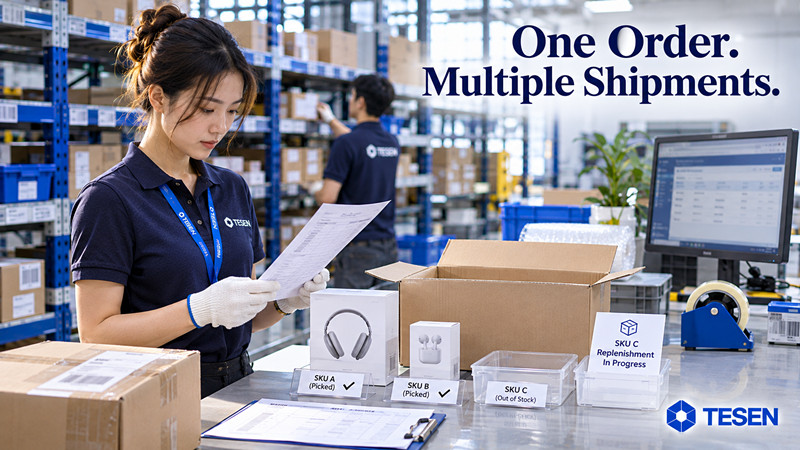
A customer places one order on a Shopify store. The order contains three products. Two are available at the fulfillment warehouse, but the third is temporarily out of stock. The customer has already paid for everything. Should the warehouse hold the entire order until the missing product arrives? Or should it ship the available items first and send the remaining product later? Both approaches can ...
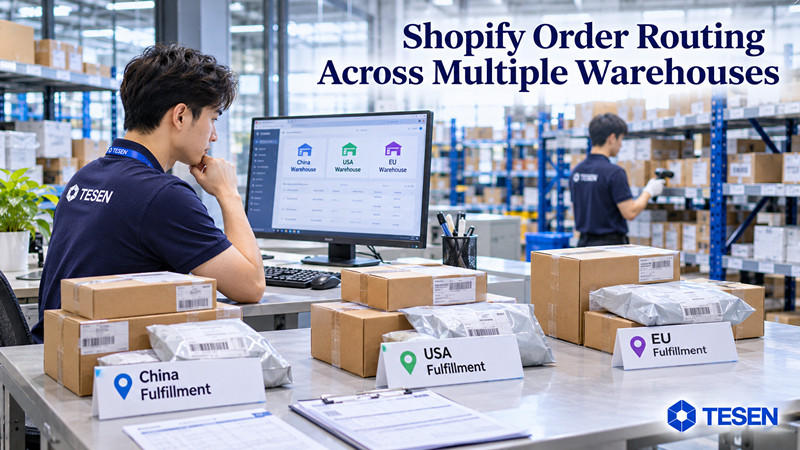
A Shopify brand starts with one fulfillment warehouse in China. As sales grow, the brand begins stocking its bestsellers in the United States. Later, it adds an EU warehouse to serve European customers. Now the business has three potential fulfillment locations. A customer in California places an order for a product available in both China and the United States. Which warehouse should fulfill it? ...

 IPv6 network supported