Join us today by completing the form below to enjoy the endless benefits of TesenFulfill. Click on submit after filling the form, and we would get back to you with all the information you need.
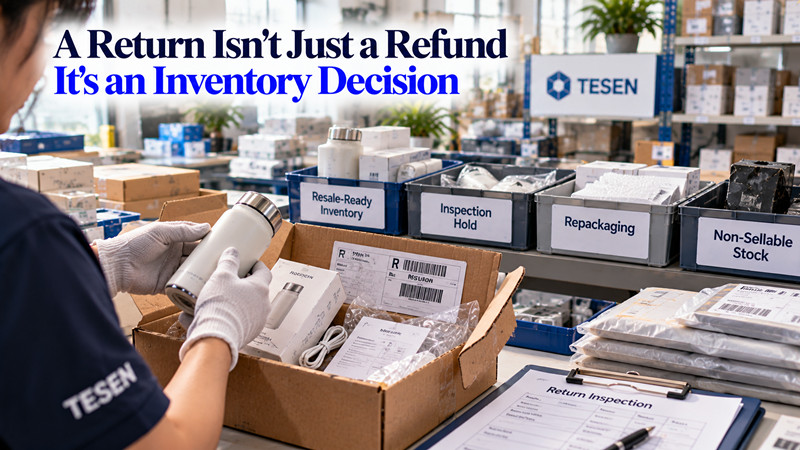
Most ecommerce brands understand the customer-facing side of a return. A customer requests a return. The brand approves it. A refund or replacement is processed. From the customer-service perspective, the case may appear to be finished. Operationally, however, another process has just started. The product comes back. Now someone needs to decide: Can it be resold? Does it need inspection? Is the or...
Most ecommerce brands evaluate fulfillment performance through normal orders. An order enters the system. The correct SKU is available. The address is valid. The product is picked, packed, and shipped. When everything works as expected, fulfillment appears straightforward. But normal orders reveal only part of a fulfillment operation's capability. The more demanding test begins when something goes...
Most ecommerce brands evaluate fulfillment performance through normal orders. An order enters the system. The correct SKU is available. The address is valid. The product is picked, packed, and shipped. When everything works as expected, fulfillment appears straightforward. But normal orders reveal only part of a fulfillment operation's capability. The more demanding test begins when something goes...
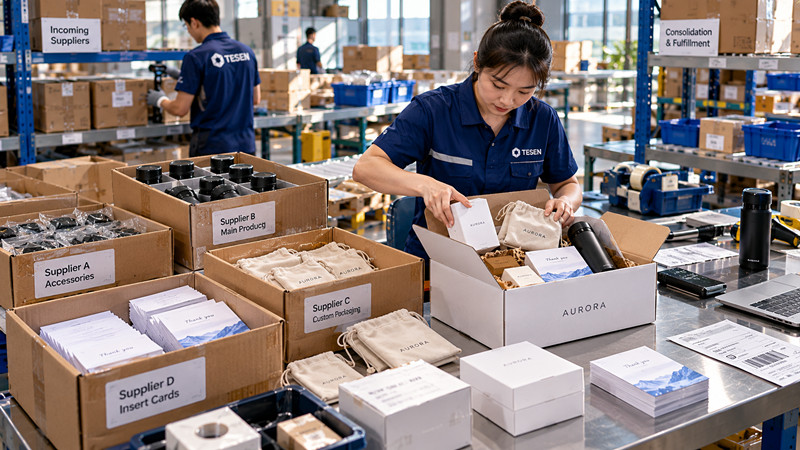
A growing ecommerce brand rarely depends on just one supplier forever. One Chinese manufacturer produces the main product. Another supplies accessories. A packaging company makes branded boxes or pouches. A separate printing supplier produces instruction cards or promotional inserts. From a purchasing perspective, these are independent supplier relationships. From the customer's perspective, they ...
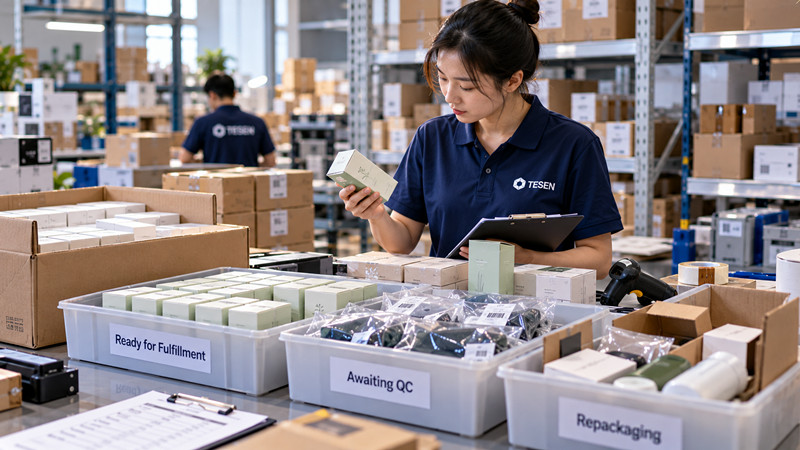
A Shopify brand checks its warehouse inventory and sees 500 units in stock. It is tempting to assume that all 500 units are ready for customer orders. But inside the fulfillment operation, those numbers may be very different. Some products may have arrived but are still awaiting receiving verification. Others may be pending quality control, reserved for existing orders, held because of quality con...
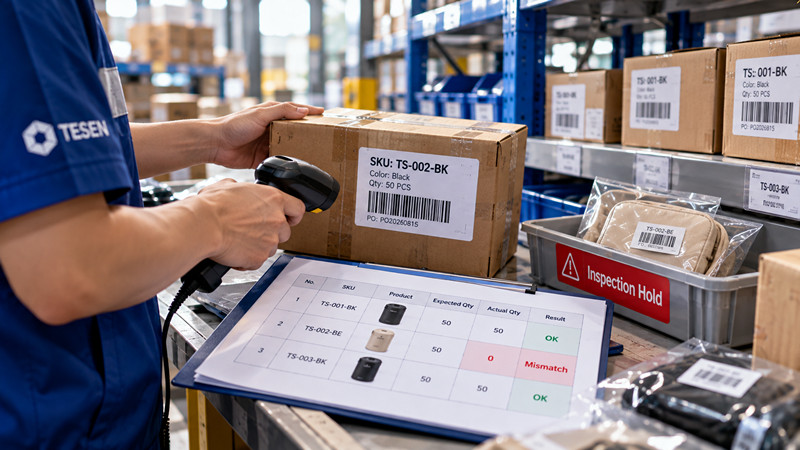
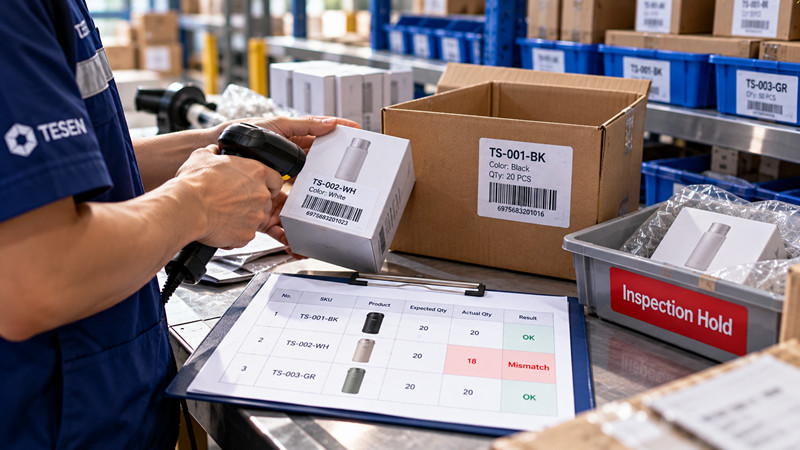
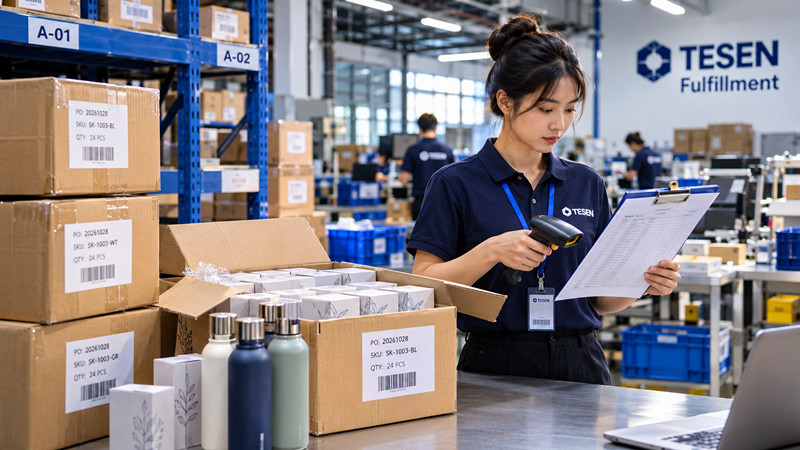
A supplier delivers 20 cartons to an ecommerce fulfillment warehouse. The delivery is signed for, and the supplier confirms that the goods have arrived. From the brand's perspective, the inventory may appear ready for customer orders. But the warehouse still needs to establish what actually arrived. Did all 20 cartons contain the expected products? Were the correct SKUs and variants delivered? Do ...
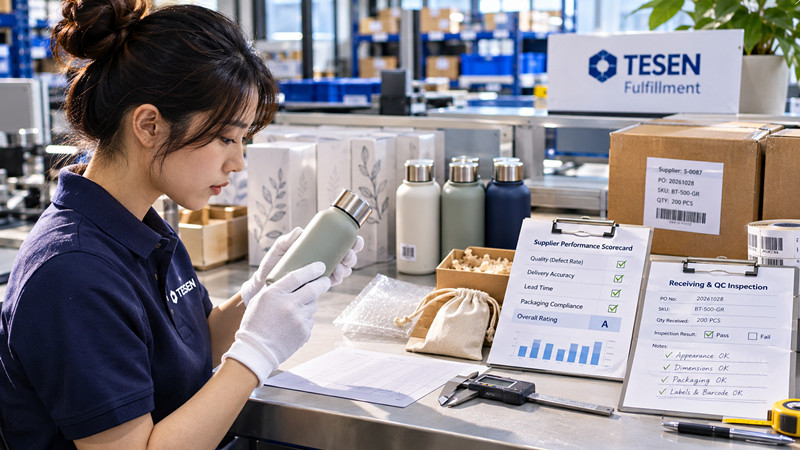
A supplier offers a competitive product price. The samples look good, production is confirmed, and the first purchase order appears straightforward. But after an ecommerce brand begins placing repeat orders, a different picture may emerge. One production batch arrives late. Another shipment contains fewer units than expected. A third has incorrect SKU labels. The products in the next delivery pass...
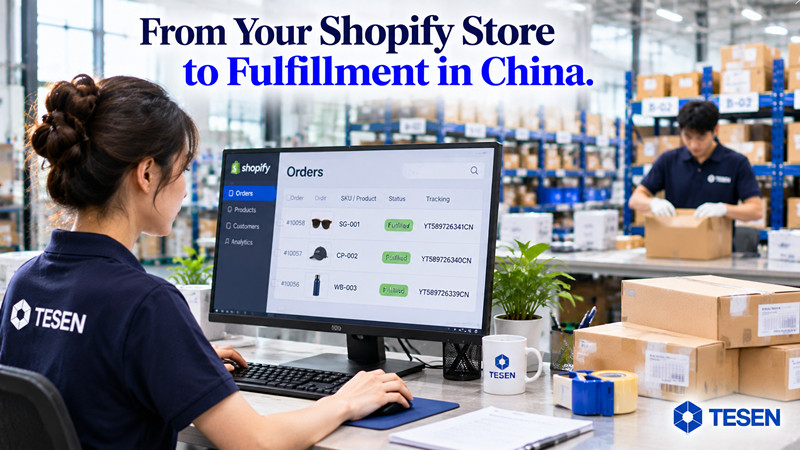
Connecting a Shopify store to an ecommerce fulfillment partner sounds straightforward. Install an app. Authorize the connection. Import customer orders. Start shipping. But successful Shopify fulfillment integration involves much more than transferring orders from one system to another. As ecommerce brands grow, their Shopify stores and fulfillment operations continuously generate new information....
 IPv6 network supported