Join us today by completing the form below to enjoy the endless benefits of TesenFulfill. Click on submit after filling the form, and we would get back to you with all the information you need.
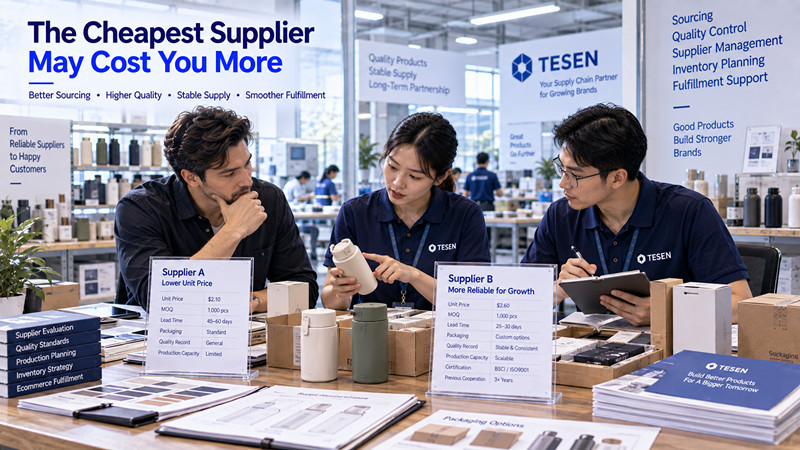
When ecommerce brands compare suppliers, one number usually gets the most attention: Unit price. Supplier A offers a product for $8.20. Supplier B offers it for $7.60. Supplier C offers it for $7.10. At first glance, the decision seems obvious. But the lowest unit price does not always create the lowest business cost. A supplier that looks cheaper on a quotation can become significantly more expen...
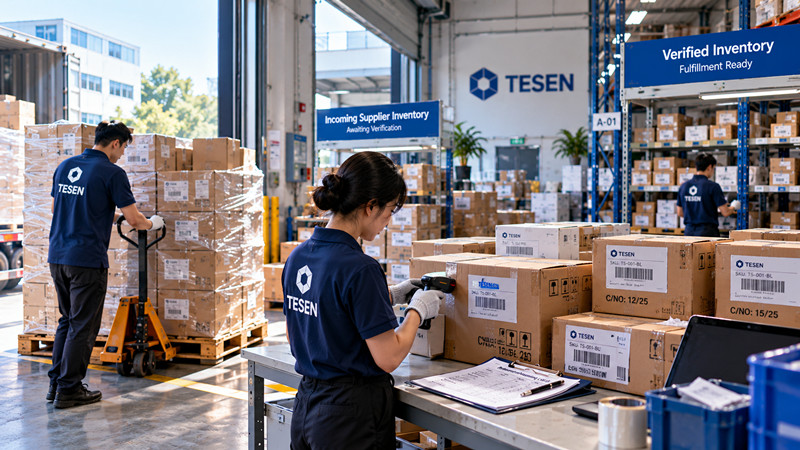
Many ecommerce brands assume fulfillment begins when products arrive at a warehouse in China. The supplier completes production. Cartons are delivered. The warehouse receives the goods. Then customer orders can begin shipping. But for growing Shopify and DTC brands, the process is rarely that simple. A product can be finished at the factory without being ready for fulfillment. SKU labels may not m...
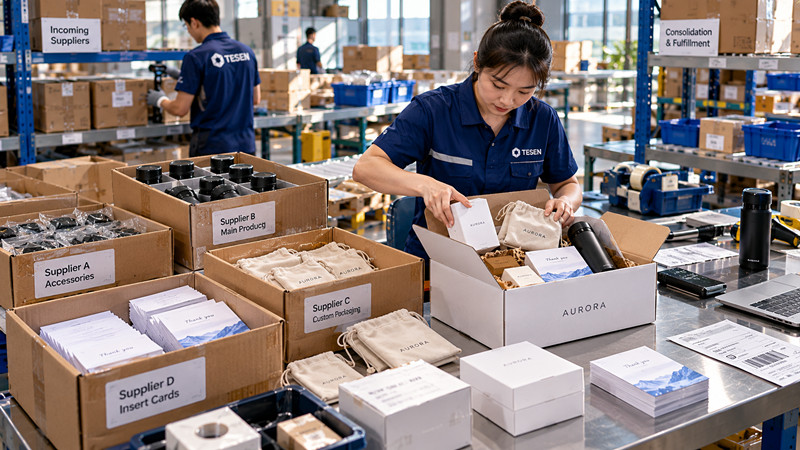
A growing ecommerce brand rarely depends on just one supplier forever. One Chinese manufacturer produces the main product. Another supplies accessories. A packaging company makes branded boxes or pouches. A separate printing supplier produces instruction cards or promotional inserts. From a purchasing perspective, these are independent supplier relationships. From the customer's perspective, they ...
Dropshipping is often an effective way to start an ecommerce business. A Shopify store can test products without purchasing large quantities of inventory in advance. When a customer places an order, the product can be purchased or processed through a supplier and shipped to the customer. This reduces one of the biggest risks of starting an ecommerce store: committing capital to products before kno...
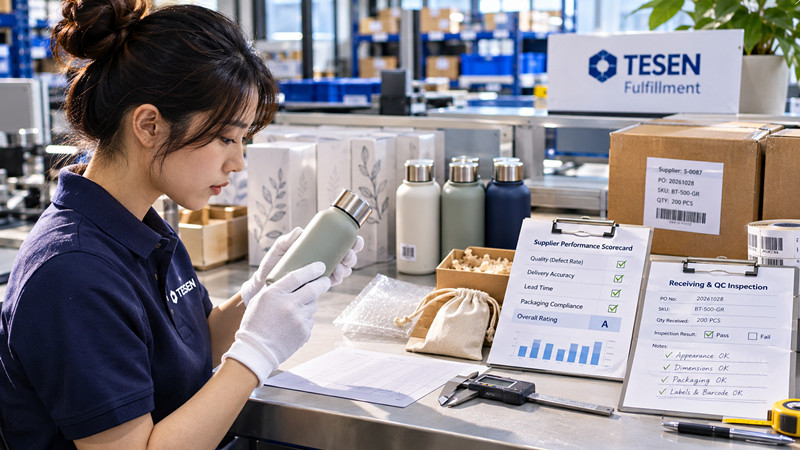
A supplier offers a competitive product price. The samples look good, production is confirmed, and the first purchase order appears straightforward. But after an ecommerce brand begins placing repeat orders, a different picture may emerge. One production batch arrives late. Another shipment contains fewer units than expected. A third has incorrect SKU labels. The products in the next delivery pass...
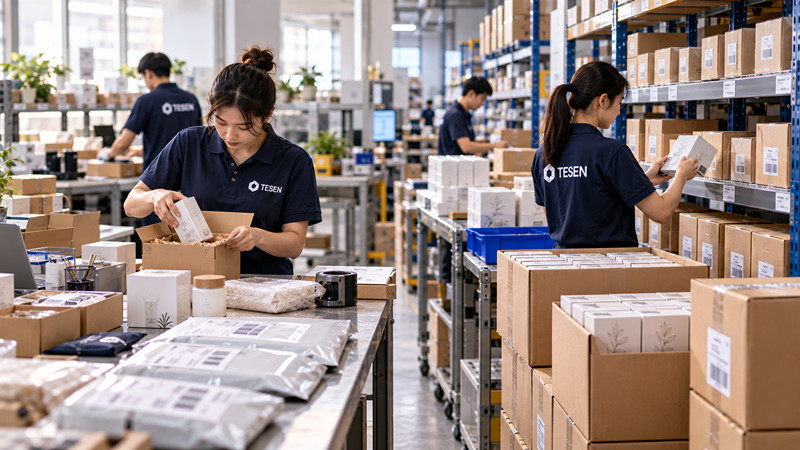
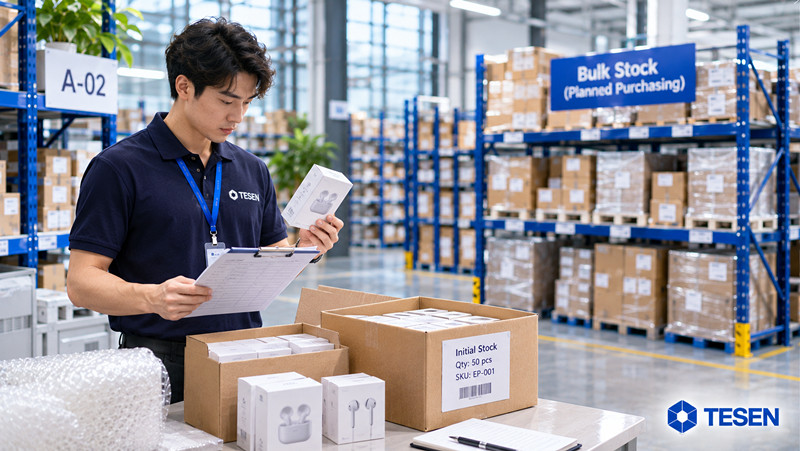
A dropshipping product starts generating consistent sales. At first, the store purchases each unit from its supplier after a customer places an order. The model is flexible, and the brand does not need to commit much capital to inventory. Then order volume begins to grow. Five orders per day become ten. Ten become twenty. The supplier continues processing individual purchases, while the brand begi...

 IPv6 network supported