Join us today by completing the form below to enjoy the endless benefits of TesenFulfill. Click on submit after filling the form, and we would get back to you with all the information you need.
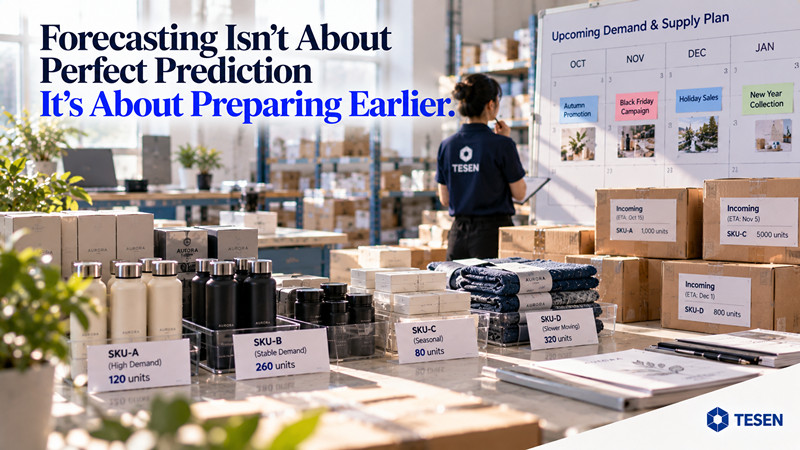
Inventory forecasting is often misunderstood. Many ecommerce brands think forecasting means trying to predict exactly how many units they will sell next week, next month, or next quarter. In practice, ecommerce demand rarely behaves that predictably. Advertising campaigns can accelerate sales. Influencer exposure can create sudden demand. Seasonality affects different products differently. Supplie...
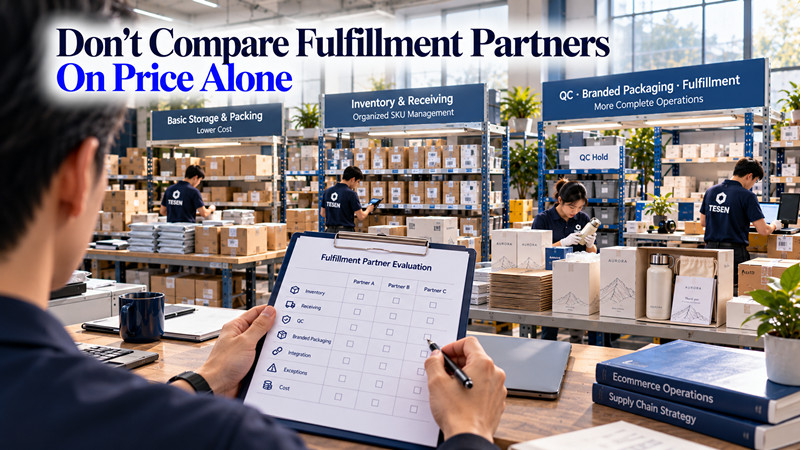
Choosing an ecommerce fulfillment partner often begins with a spreadsheet. One provider charges less for pick and pack. Another offers cheaper storage. A third has a lower shipping rate. Those numbers are easy to compare, which is why they often dominate the decision. But fulfillment partnerships rarely become difficult because one provider charged slightly more per order. The bigger problems usua...
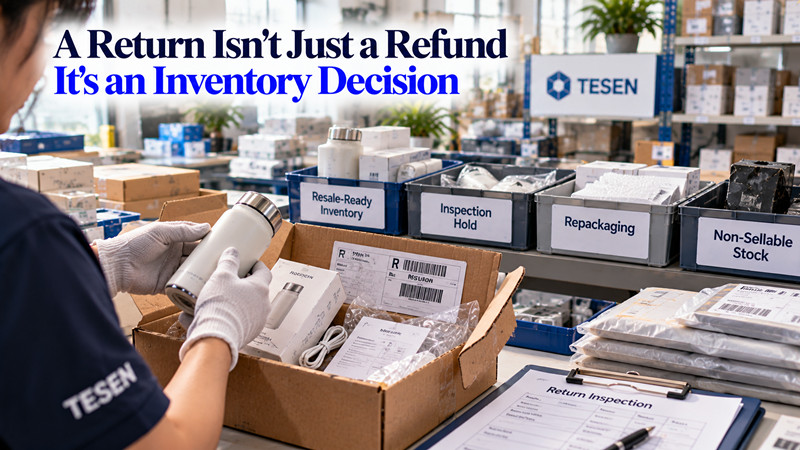
Most ecommerce brands understand the customer-facing side of a return. A customer requests a return. The brand approves it. A refund or replacement is processed. From the customer-service perspective, the case may appear to be finished. Operationally, however, another process has just started. The product comes back. Now someone needs to decide: Can it be resold? Does it need inspection? Is the or...
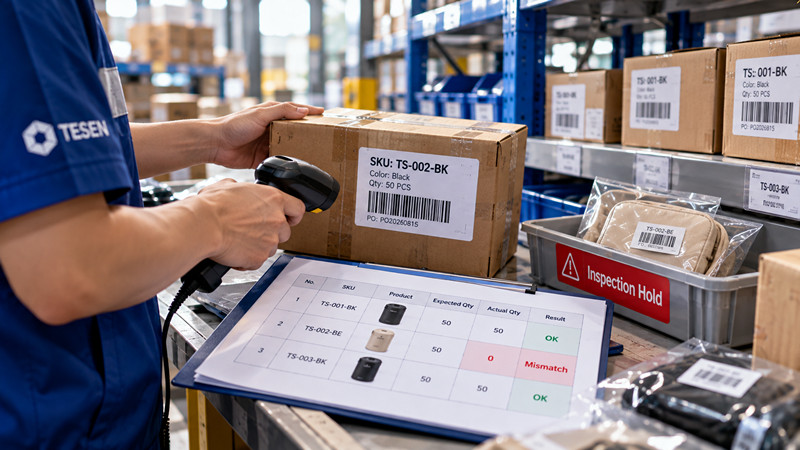
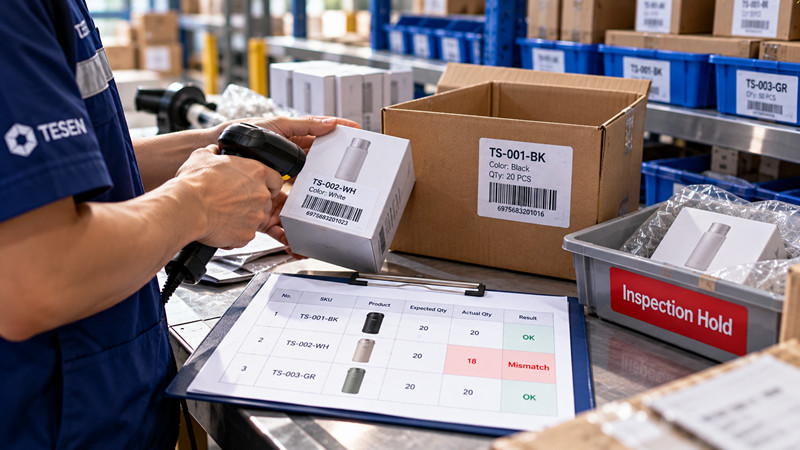
Most ecommerce brands evaluate fulfillment performance through normal orders. An order enters the system. The correct SKU is available. The address is valid. The product is picked, packed, and shipped. When everything works as expected, fulfillment appears straightforward. But normal orders reveal only part of a fulfillment operation's capability. The more demanding test begins when something goes...
Most ecommerce brands evaluate fulfillment performance through normal orders. An order enters the system. The correct SKU is available. The address is valid. The product is picked, packed, and shipped. When everything works as expected, fulfillment appears straightforward. But normal orders reveal only part of a fulfillment operation's capability. The more demanding test begins when something goes...
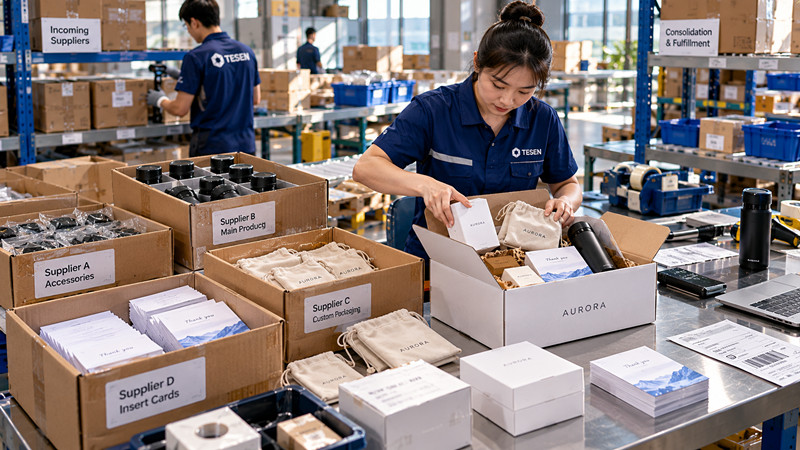
A growing ecommerce brand rarely depends on just one supplier forever. One Chinese manufacturer produces the main product. Another supplies accessories. A packaging company makes branded boxes or pouches. A separate printing supplier produces instruction cards or promotional inserts. From a purchasing perspective, these are independent supplier relationships. From the customer's perspective, they ...
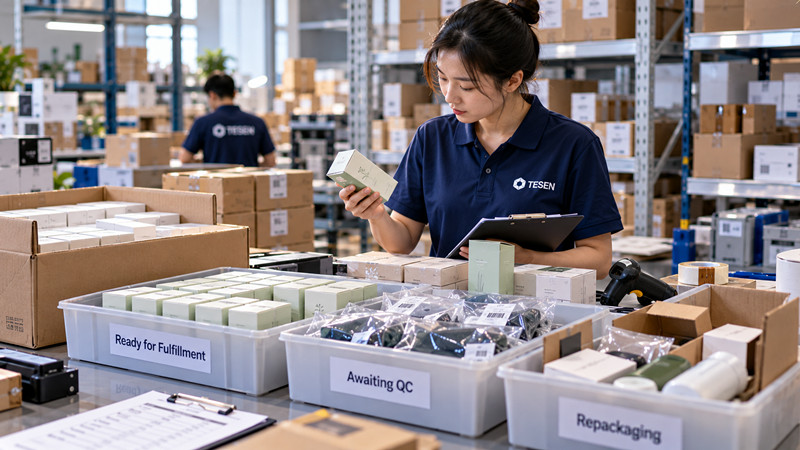
A Shopify brand checks its warehouse inventory and sees 500 units in stock. It is tempting to assume that all 500 units are ready for customer orders. But inside the fulfillment operation, those numbers may be very different. Some products may have arrived but are still awaiting receiving verification. Others may be pending quality control, reserved for existing orders, held because of quality con...
Kitting is often described as a packaging service. Take several products, put them together, add a branded box or insert, and ship them as a set. That description is not wrong. But it misses one of the most important operational effects of kitting. When a Shopify brand combines separate products into a pre-built kit, the fulfillment operation may also change how inventory is tracked, alloca...


 IPv6 network supported