Join us today by completing the form below to enjoy the endless benefits of TesenFulfill. Click on submit after filling the form, and we would get back to you with all the information you need.
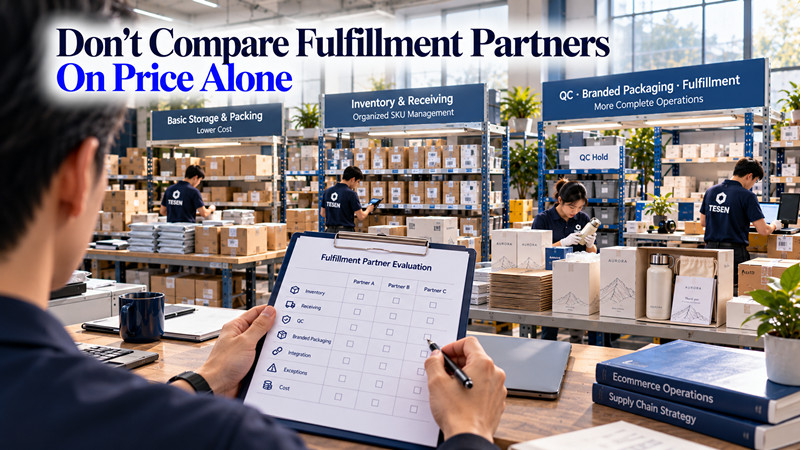
Choosing an ecommerce fulfillment partner often begins with a spreadsheet. One provider charges less for pick and pack. Another offers cheaper storage. A third has a lower shipping rate. Those numbers are easy to compare, which is why they often dominate the decision. But fulfillment partnerships rarely become difficult because one provider charged slightly more per order. The bigger problems usua...
When ecommerce brands compare fulfillment providers, one number often receives the most attention: How much does pick and pack cost per order? It is a reasonable starting point. Pick-and-pack fees are easy to understand, easy to compare, and often prominently displayed in fulfillment quotations. But they rarely represent the full cost of an ecommerce fulfillment operation. A Shopify brand shipping...
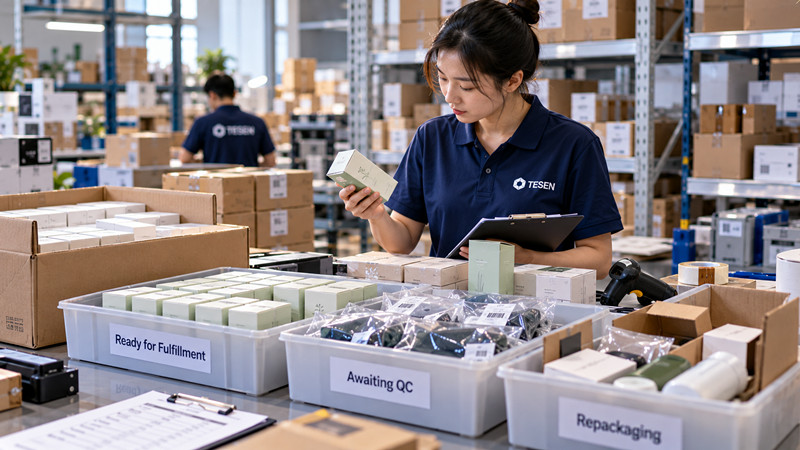
A Shopify brand checks its warehouse inventory and sees 500 units in stock. It is tempting to assume that all 500 units are ready for customer orders. But inside the fulfillment operation, those numbers may be very different. Some products may have arrived but are still awaiting receiving verification. Others may be pending quality control, reserved for existing orders, held because of quality con...
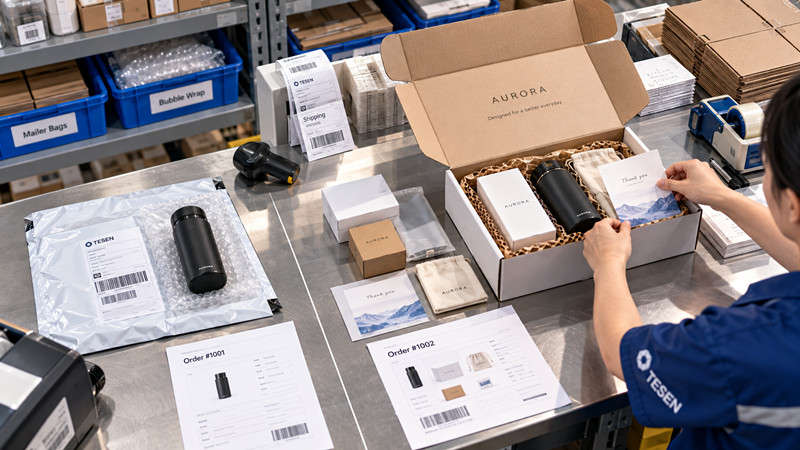
Kitting is often described as a packaging service. Take several products, put them together, add a branded box or insert, and ship them as a set. That description is not wrong. But it misses one of the most important operational effects of kitting. When a Shopify brand combines separate products into a pre-built kit, the fulfillment operation may also change how inventory is tracked, alloca...
Choosing a third-party logistics (3PL) provider in China can seem straightforward. You need a warehouse to receive products, store inventory, pick and pack orders, and ship parcels to customers. So you request quotations from several China 3PL companies and compare storage fees, handling charges, and international shipping rates. But for a Shopify or DTC brand sourcing products from Chinese suppli...
Dropshipping is often an effective way to start an ecommerce business. A Shopify store can test products without purchasing large quantities of inventory in advance. When a customer places an order, the product can be purchased or processed through a supplier and shipped to the customer. This reduces one of the biggest risks of starting an ecommerce store: committing capital to products before kno...
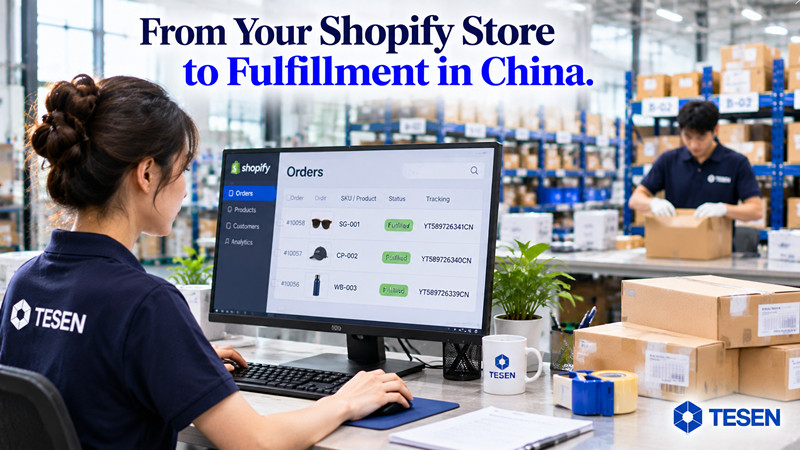
Connecting a Shopify store to an ecommerce fulfillment partner sounds straightforward. Install an app. Authorize the connection. Import customer orders. Start shipping. But successful Shopify fulfillment integration involves much more than transferring orders from one system to another. As ecommerce brands grow, their Shopify stores and fulfillment operations continuously generate new information....
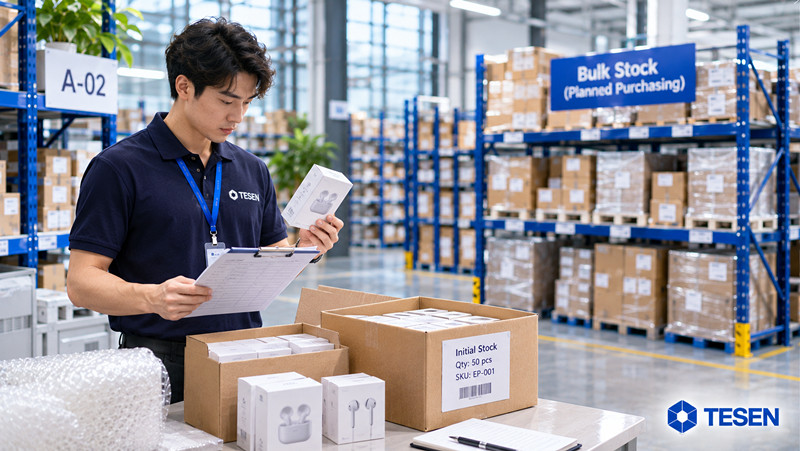
A dropshipping product starts generating consistent sales. At first, the store purchases each unit from its supplier after a customer places an order. The model is flexible, and the brand does not need to commit much capital to inventory. Then order volume begins to grow. Five orders per day become ten. Ten become twenty. The supplier continues processing individual purchases, while the brand begi...

 IPv6 network supported