Join us today by completing the form below to enjoy the endless benefits of TesenFulfill. Click on submit after filling the form, and we would get back to you with all the information you need.
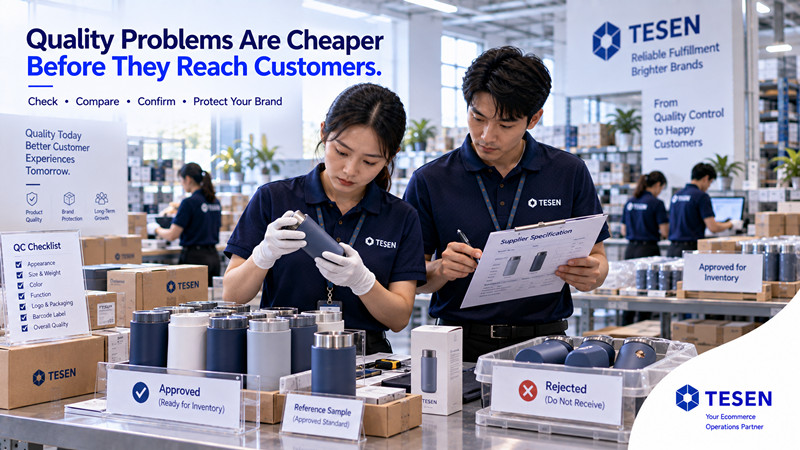
A customer who receives a defective product does not think about where the problem started. They do not know whether the issue came from the factory, packaging, inventory handling, or fulfillment. They simply know that the product did not meet their expectations. For ecommerce brands, this is why quality control should not be viewed only as an inspection process. Effective ecommerce quality contro...
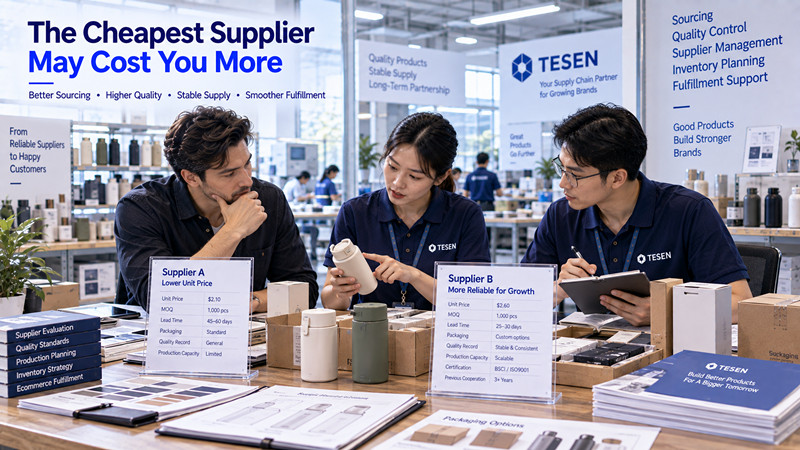
When ecommerce brands compare suppliers, one number usually gets the most attention: Unit price. Supplier A offers a product for $8.20. Supplier B offers it for $7.60. Supplier C offers it for $7.10. At first glance, the decision seems obvious. But the lowest unit price does not always create the lowest business cost. A supplier that looks cheaper on a quotation can become significantly more expen...
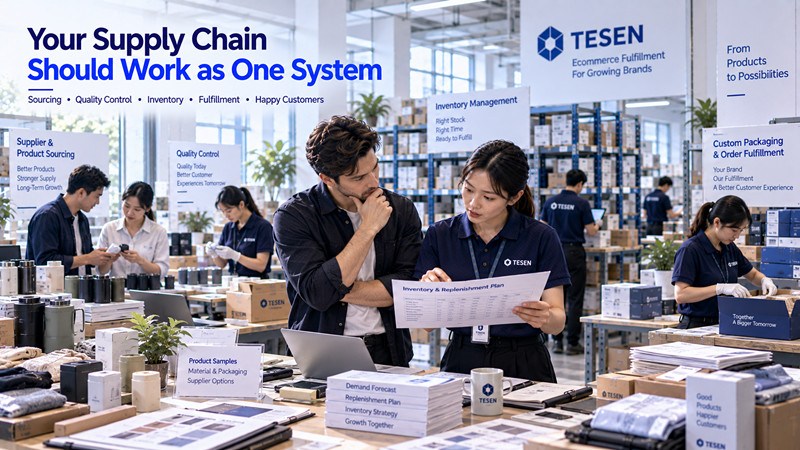
When a Shopify brand is small, supply chain management can be surprisingly simple. The founder talks directly with the supplier. Inventory is tracked in a spreadsheet. Products are sent to a warehouse. Another provider handles fulfillment. When something changes, the founder connects the dots manually. At 10 or 20 orders per day, this can work. But as the business grows, the same structure often b...
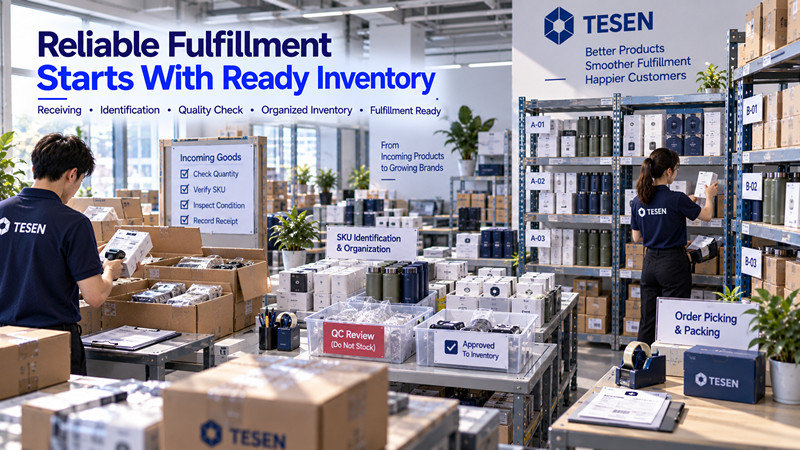
When ecommerce brands think about fulfillment performance, they usually focus on what happens after an order is placed. How quickly is the order picked? Was the correct product packed? When was the parcel shipped? These things matter. But reliable ecommerce fulfillment begins much earlier. Before an order can be picked accurately, the right inventory must already be received, identified, visible, ...
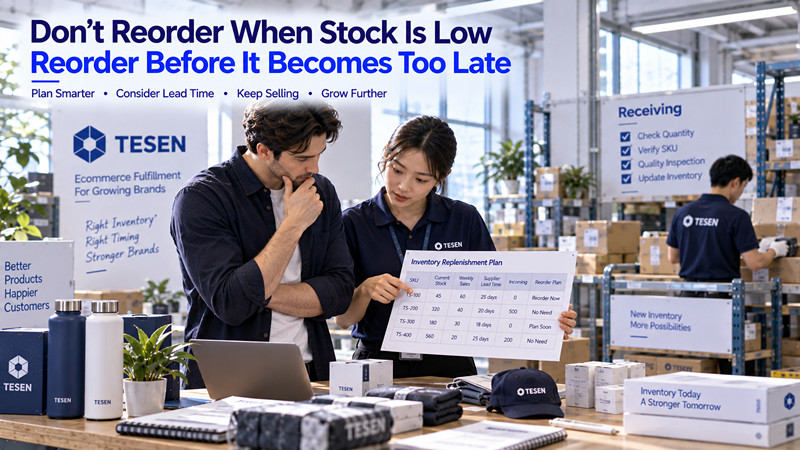
One of the most common inventory questions for growing ecommerce brands sounds simple: When should we reorder? A common answer is: When inventory gets low. But by the time inventory looks low inside Shopify, the most important replenishment deadline may already have passed. The supplier still needs time to produce the next batch. Products may need to move from the supplier to the fulfillment cente...
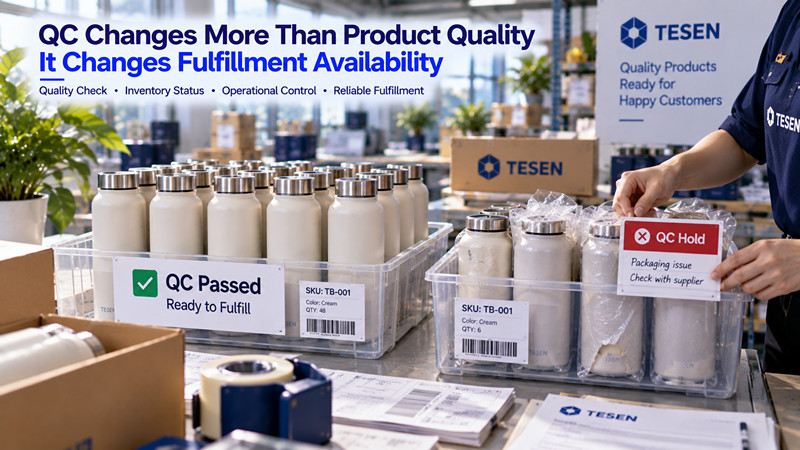
Quality control and ecommerce fulfillment are often managed as two separate activities. One team checks products. Another team manages inventory and fulfills customer orders. On paper, that structure seems reasonable. But for growing ecommerce brands, the separation can create an important operational gap. A quality inspection does not create value simply because a defect was found. The real value...
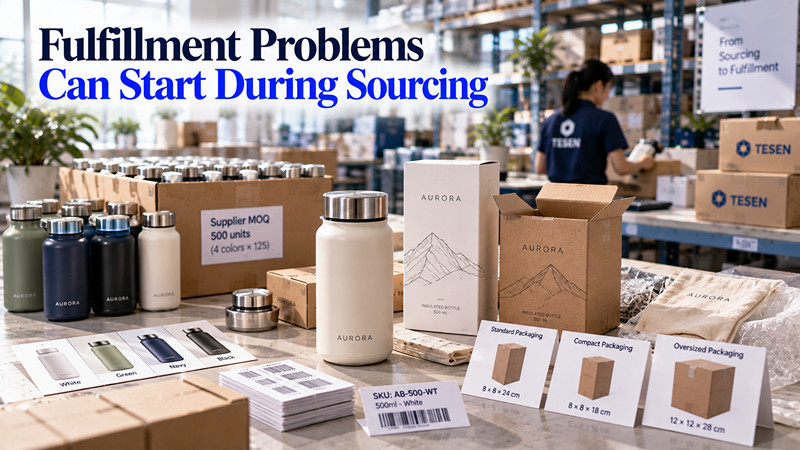
Product sourcing is often treated as a purchasing decision. Find the right product. Compare suppliers. Negotiate the price. Confirm the order. Then send the products to a warehouse and let fulfillment take over. That sequence looks logical. But for growing ecommerce brands, many of the decisions that determine fulfillment performance are actually made before production begins. A slightly different...
 IPv6 network supported