Join us today by completing the form below to enjoy the endless benefits of TesenFulfill. Click on submit after filling the form, and we would get back to you with all the information you need.
As ecommerce brands grow, inventory storage often appears to be a simple capacity problem. More products require more shelves. More orders require more inventory. More inventory requires a larger warehouse. But warehouse capacity is only one part of the problem. A Shopify brand can have thousands of units in storage and still experience stockouts, excess inventory, poor replenishment decisions, an...
When ecommerce brands compare suppliers, one number usually gets the most attention: Unit price. Supplier A offers a product for $8.20. Supplier B offers it for $7.60. Supplier C offers it for $7.10. At first glance, the decision seems obvious. But the lowest unit price does not always create the lowest business cost. A supplier that looks cheaper on a quotation can become significantly more expen...
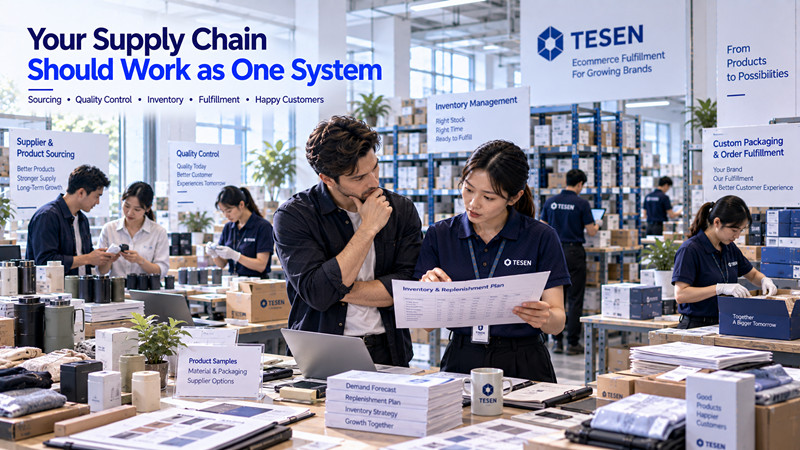
When a Shopify brand is small, supply chain management can be surprisingly simple. The founder talks directly with the supplier. Inventory is tracked in a spreadsheet. Products are sent to a warehouse. Another provider handles fulfillment. When something changes, the founder connects the dots manually. At 10 or 20 orders per day, this can work. But as the business grows, the same structure often b...
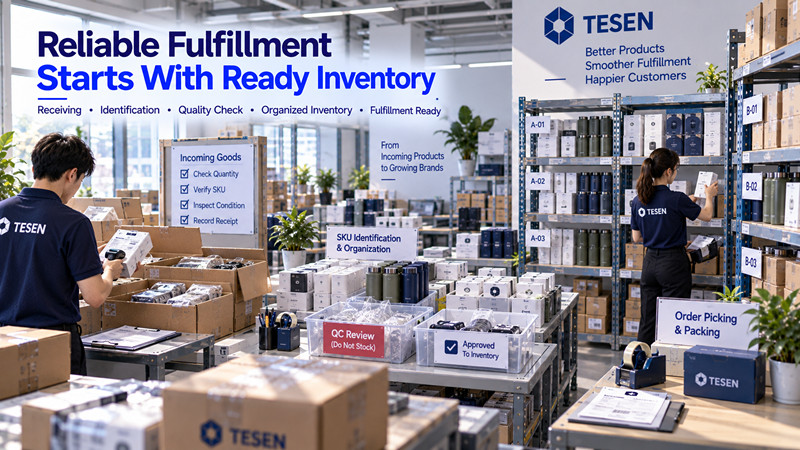
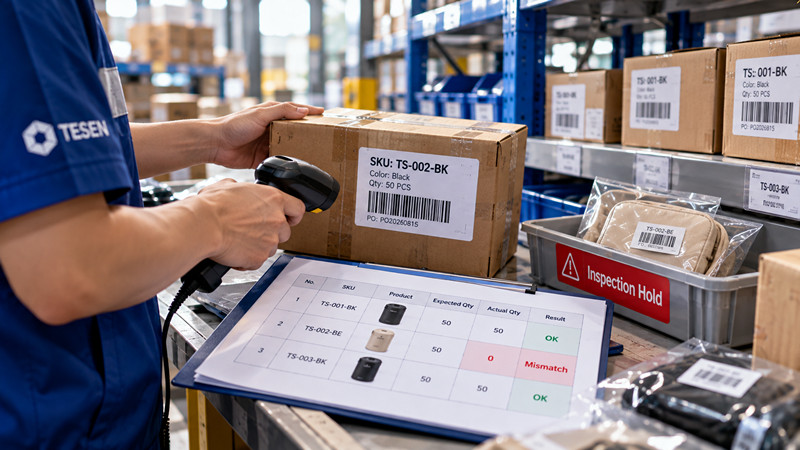
When ecommerce brands think about fulfillment performance, they usually focus on what happens after an order is placed. How quickly is the order picked? Was the correct product packed? When was the parcel shipped? These things matter. But reliable ecommerce fulfillment begins much earlier. Before an order can be picked accurately, the right inventory must already be received, identified, visible, ...
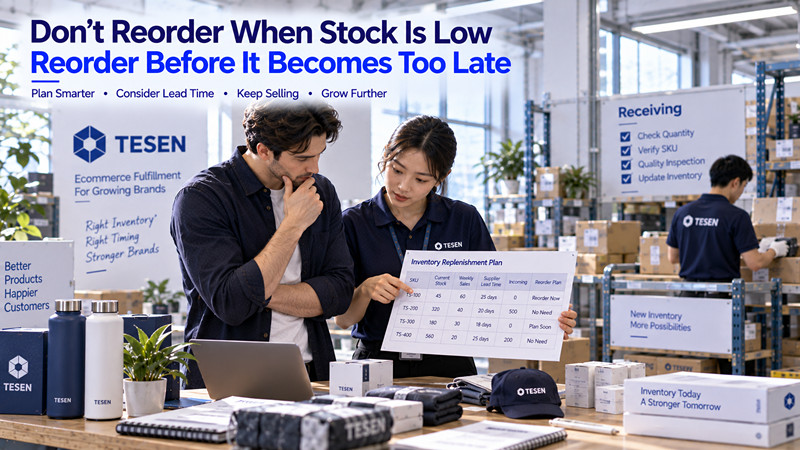
One of the most common inventory questions for growing ecommerce brands sounds simple: When should we reorder? A common answer is: When inventory gets low. But by the time inventory looks low inside Shopify, the most important replenishment deadline may already have passed. The supplier still needs time to produce the next batch. Products may need to move from the supplier to the fulfillment cente...
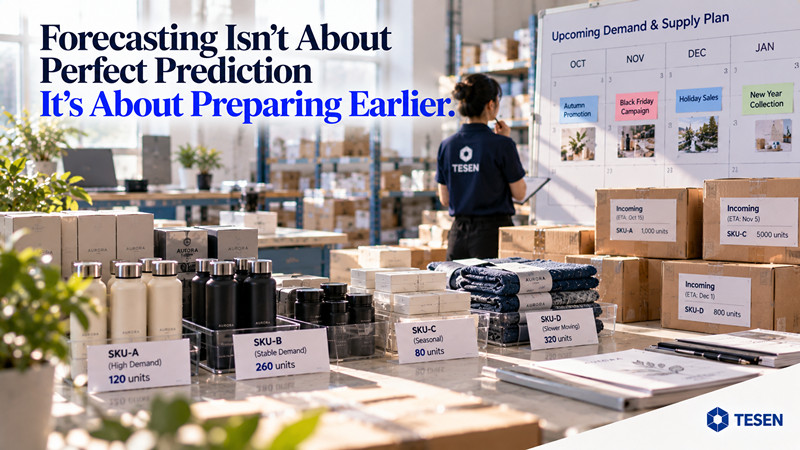
Inventory forecasting is often misunderstood. Many ecommerce brands think forecasting means trying to predict exactly how many units they will sell next week, next month, or next quarter. In practice, ecommerce demand rarely behaves that predictably. Advertising campaigns can accelerate sales. Influencer exposure can create sudden demand. Seasonality affects different products differently. Supplie...
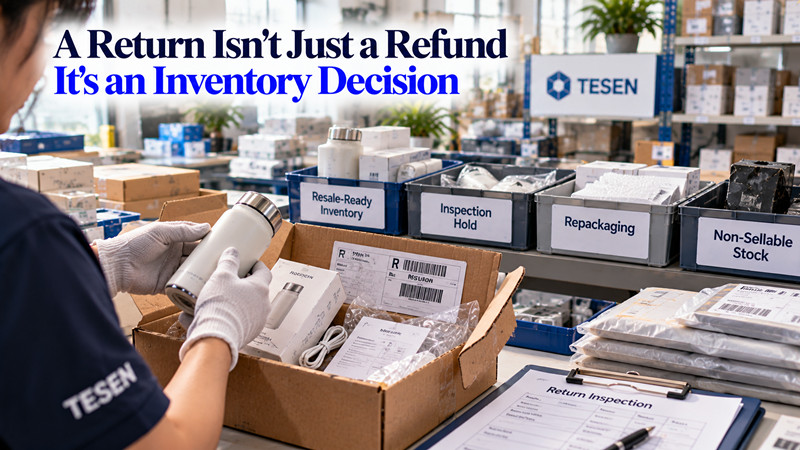
Most ecommerce brands understand the customer-facing side of a return. A customer requests a return. The brand approves it. A refund or replacement is processed. From the customer-service perspective, the case may appear to be finished. Operationally, however, another process has just started. The product comes back. Now someone needs to decide: Can it be resold? Does it need inspection? Is the or...
Most ecommerce brands evaluate fulfillment performance through normal orders. An order enters the system. The correct SKU is available. The address is valid. The product is picked, packed, and shipped. When everything works as expected, fulfillment appears straightforward. But normal orders reveal only part of a fulfillment operation's capability. The more demanding test begins when something goes...



 IPv6 network supported